New Issue!
Meredith Sue Willis's
Books for Readers #239May 5, 2025
To Read this Newsletter,
please click here..
Reviews of books by Jane Austen, Octavia Butler, Charles W. Chestnutt, Emma Cline, J.M. Coetzee, Melody Gee, Nnedi Okorafor, Stephen Spotswoord, Bryan Stevenson, Laura Tillman, Amor Towels, Mark Twain, Yu Miri. Reviews by Edwina Pendrvis, Elena L. Perez, , Diane Simmons and Christine Willis.
Octavia Butler, Yu Miri, Laura Tillman, Amor Towles
To Read this Newsletter,
please click here.
RESPONSES TO THIS NEWSLETTER
Please send responses to this newsletter directly to Meredith Sue Willis . Unless you say otherwise, your letter may be edited for length and published in this newsletter.
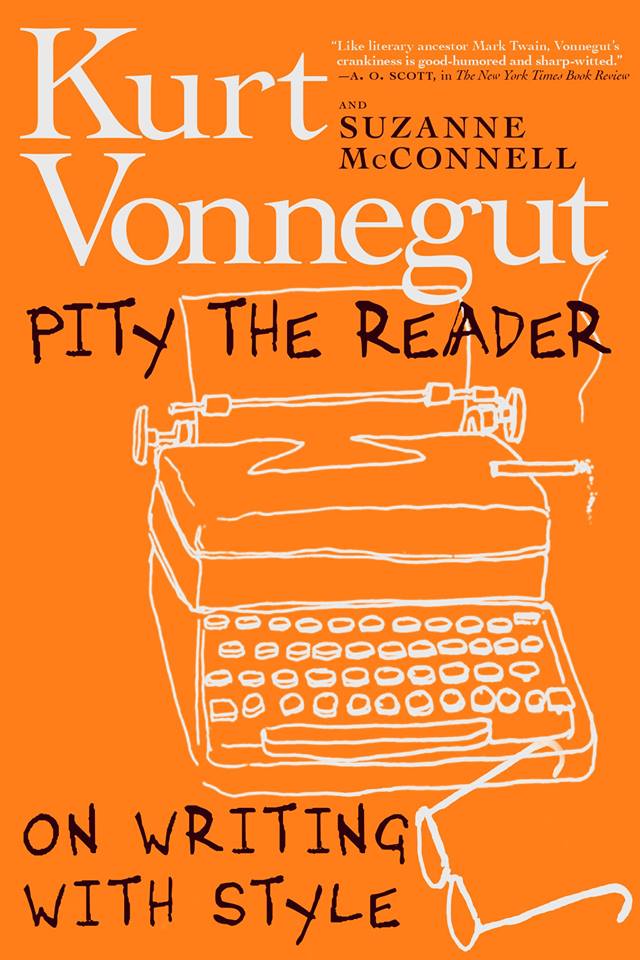
Suzanne McConnell Speaking on her book
Pity the Poor Reader and Kurt Vonnegutat the Frenchtown Bookstore in Frenchtown, New Jersey
Sunday June 8, 2025
6:30 PM
LICENSE
Books for Readers Newsletter by Meredith Sue Willis is licensed under a Creative Commons Attribution-NoDerivs 3.0 Unported License. Permissions beyond the scope of this license may be available from Meredith Sue Willis. Some individual contributors may have other licenses.
Meredith Sue Willis Home
Meredith Sue Willis, the producer of this occasional newsletter, is a writer and teacher and enthusiastic reader. Her books have been published by Charles Scribner's Sons, HarperCollins, Ohio University Press, Mercury House, West Virginia University Press, Monteymayor Press, Teachers & Writers Press, Mountain State Press, Hamilton Stone Editions, and others. She teaches at New York University's School of Professional Studies.
BACK ISSUES
#239 Jane Austen, Octavia Butler, Charles W. Chestnutt, Emma Cline, J.M. Coetzee, Melody Gee, Nnedi Okorafor, Stephen Spotswoord, Bryan Stevenson, Laura Tillman, Amor Towels, Mark Twain, Yu Miri. Reviews by Edwina Pendrvis, Elena L. Perez, , Diane Simmons and Christine Willis.
#238 Percival Everett, Diane Simmons,Alice McDermott, Cherrie Moraga, Anne McCaffrey, Tui Sutherland, Edith Wharton, James M. Cain, Margaret Atwood, Albert Camu, Caleb Carr, Tony Hillerman, Shirley Jackson. Elaine Pagels. Reviews by Joe Chuman and Fay Martin.
#237 Stephen L. Carter, Gabrielle Korn, Rachel Kushner, Neal Stephenson, Thomas Hardy, Dreama Frisk, Margery Sharp, Valerie Nieman, Elizabeth Catte, Chris Colfer, Lisa Scottoline, John Grisham, reviews by Christine Willis, Danny Williams, & Rose Culbreth.
#236 Sabaa Tahir, Rebecca Roanhorse, Julian Barnes, Jane Austen, Brandon Taylor, Joshua Leifer, Pauletta Hansel, Carter Sickel, Stephen King, and reviews by Joe Chuman, Elaine Durbach, Eddy Pendarvis, Diane Simmons, Joel Weinberger, Danny Williams--and more!
#235 James Lee Burke; Kate DiCamillo; Donna Meredith; Elana Ferrante; Tana French; Joe Conason; Nadine Gordimer; Jamaica Kincaid; Ian McEwan; Cat Pleska, Illyon Woo; with reviews by Joe Chuman and Edwina Pendarvis; and more!
#234 Robert Graves, Kathy Manley, Soman Chainani, Marie Tyler McGraw, James Welch, Elmore Leonard, Jennifer Browne, Dennis Lehane, Primo Levi, Elmore Leonard, James McBride. Reviews by Martha Casey, Dreama Frisk, and Diane Simmons--and a poem by Dreama Frisk!#236 Sabaa Tahir, Rebecca Roanhorse, Julian Barnes, Jane Austen, Brandon Taylor, Joshua Leifer, Pauletta Hansel, Carter Sickel, Stephen King, and reviews by Joe Chuman, Elaine Durbach, Eddy Pendarvis, Diane Simmons, Joel Weinberger, Danny Williams--and more!
#235 James Lee Burke; Kate DiCamillo; Donna Meredith; Elana Ferrante; Tana French; Joe Conason; Nadine Gordimer; Jamaica Kincaid; Ian McEwan; Cat Pleska, Illyon Woo; with reviews by Joe Chuman and Edwina Pendarvis; and more!
#234 Robert Graves, Kathy Manley, Soman Chainani, Marie Tyler McGraw, James Welch, Elmore Leonard, Jennifer Browne, Dennis Lehane, Primo Levi, Elmore Leonard, James McBride. Reviews by Martha Casey, Dreama Frisk, and Diane Simmons--and a poem by Dreama Frisk!
#233 Ursula LeGuin, Ford Madox Ford, Elmore Leonard, Deborah Clearman, Susan Abulhawa, Agatha Christie, Oscar Silver, Jeff Lindsay, Linda Parsons, Mary Roberts Rinehart, Philip Roth, Lisa Scottoline. Reviews by Joe Chuman and Felicia Mitchell.
#232 Jim Minick, Clarice Lispector, The Porch Poems, George du Maurier, Louise Fitzhugh, Natalia Ginzburg, Marilynne Robinson; Kathleen Watt; Hambly, Connelly, Alison Hubbard, Imogen Keeper, James McBride, Jenny Offill. Reviews by Hilton Obenzinger, Eddy Pendarvis, Diane Simmons, Suzanne McConnell, and Christine Willis.
#231 Triangle shirtwaist fire, Anthony Burgess, S.A. Cosby, Eva Dolan, Janet Campbell Hale, Barbara Hambly, Marc Harshman, P.D. James, Michael Lewis, Mrs. Oliphant, Paul Rabinowitz, Nora Roberts, Strout, Tokarczuk. Review by Dreama Frisk.
#230 Henry Adams, Tsitsi Dangarembga, Jonathan Lethem, Magda Teter, Mary Jennings Hegar, Chandra Prasad, Timothy Russell, Carter Taylor Seaton, Edna O'Brien, Martha Wells, Thomas Mann, Arnold Bennett, and more. Reviews by Mary Lucille DeBerry, Joe Chuman, John Loonam, Suzanne McConnell, and Edwina Pendarvis.
#229 John Sandford, Dr. J. Nozipo Maraire, Rex Stout; Larry Schardt; Martha Wells; Henry Makepeace Thackery; about Edvard Munch;Erik Larson. Reviews and interviews by John Loonam and Diane Simmons.
#228 Edward P. Jones, Denton Loving, Honorée Fanonne Jeffers. Lee Martin, Jesmyn Ward, Michelle Zauner, Valérie Perrin, Philip K. Dick, Burt Kimmelman. Reviewes by Ernie Brill, Joe Chuman, Eddy Pendarvis, Diane Simmons, & Danny Williams.
#227 Cheryl Denise, Larissa Shmailo, Eddy Pendarvis, Alice McDermott, Kelly Watt, Elmore Leonard, Frances Hodgson Burnett, Suzy McKee Charnas, and more.
#226 Jim Minick, Gore Vidal, Valeria Luiselli, Richard Wright, Kage Baker, Suzy McKee Charnas, Victor Depta, Walter Mosley. David Hollinger reviewed by Joe Chuman, and more.
#225 Kingsolver's Demon Copperhead, Thomas Hardy, Miriam Toews, Kate Chopin, Alberto Moravia, Elizabeth Strout, McCullers, Garry Wills, Valerie Nieman, Cora Harrison. Troy Hill on Isaac Babel; Belinda Anderson on books for children; Joe Chuman on Eric Alterman; Molly Gilman on Kage Baker; and lots more.
#224 The 1619 Project, E.M. Forster. Elmore Leonard, Pledging Season by Erika Erickson Malinoski. Emily St. John Mandel, Val Nieman, John O'Hara, Tom Perrotta, Walter Tevis, Sarah Waters, and more.
#223 Amor Towles, Emily St. John Mandel, Raymond Chandler, N.K. Jemisin, Andrew Holleran, Anita Diamant, Rainer Maria Rilke, and more, plus notes and reviews by Joe Chuman, George Lies, Donna Meredith, and Rhonda Browning White.
#222 Octavia Butler, Elizabeth Gaskell, N.K. Jemisin, Joseph Lash, Alice Munro, Barbara Pym, Sally Rooney, and more.
#221 Victor Serge, Greg Sanders, Maggie O'Farrell, Ken Champion, Barbara Hambly, Walter Mosely, Anne Roiphe, Anna Reid, Randall Balmer, Louis Auchincloss. Reviews by Joe Chuman and Chris Connelly
#220 Margaret Atwood, Sister Souljah, Attica Locke, Jill Lepore, Belinda Anderson, Claire Oshetsky, Barbara Pym, and Reviews by Joe Chuman, Ed Davis, and Eli Asbury
#219 Carolina De Robertis, Charles Dickens, Thomas Fleming, Kendra James, Ashley Hope Perez, Terry Pratchett, Martha Wells. Reviews by Joe Chuman and Danny Williams.
#218 Ed Myers, Eyal Press, Barbara Kingsolver, Edwidge Danticat, William Trevor, Tim O'Brien. Reviews by Joe Chuman and Marc Harshman.
#217 Jill Lepore; Kathleen Rooney; Stendhal; Rajia Hassib again; Madeline Miller; Jean Rhys; and more. Reviews and recommendations by Joe Chuman, Ingrid Hughes, Peggy Backman, Phyllis Moore, and Dan Gover.
#216 Rajia Hassib; Joel Pechkam; Robin Hobb; Anne Hutchinson; James Shapiro; reviews by Joe Chuman and Marc Harshman; Fellowship of the Rings
#215 Julia Alvarez, Karen Salyer McElmurray, Anne Brontë, James Welch, Veronica Roth, Madeline Martin, Barack Obama, Jason Trask, Katherine Anne Porter & more
#214 Brit Bennet, Oyinkan Braithwaite, Robin Hobb, Willliam Kennedy, John Le Carré, John Loonam on Elana Ferrante, Carole Rosenthal on Philip Roth, Peggy Backman on Russell Shorto, Helen Weinzweig, Marguerite Yourcenar, Fatima Shaik, and more.
#213 Pauletta Hansen reviewed by Bonnie Proudfoot; A conversation about cultural appropriation in fiction; T.C. Boyle; Eric Foner; Attica Locke; Lillian Roth; The Snake Pit; Alice Walker; Lynda Schor; James Baldwin; True Grit--and more.
#212 Reviews of books by Madison Smartt Bell, James Lee Burke, Mary Arnold Ward,Timothey Huguenin, Octavia Butler, Cobb & Seaton, Schama
#211 Reviews of books by Lillian Smith, Henry James, Deborah Clearman, J.K. Jemisin, Donna Meredith, Octavia Butler, Penelope Lively, Walter Mosley. Poems by Hilton Obenzinger.
#210 Lavie Tidhar, Amy Tan, Walter Mosley, Gore Vidal, Julie Otsuka, Rachel Ingalls, Rex Stout, John Updike, and more.
#209 Cassandra Clare, Lissa Evans, Suzan Colón, Damian Dressick, Madeline Ffitch, Dennis Lehane, William Maxwell, and more.
#208 Alexander Chee; Donna Meredith; Rita Quillen; Mrs. Humphy Ward; Roger Zelazny; Dennis LeHane; Eliot Parker; and more.
#207 Caroline Sutton, Colson Whitehead, Elaine Durbach, Marc Kaminsky, Attica Locke, William Makepeace Thackery, Charles Willeford & more.
#206 Timothy Snyder, Bonnie Proudfoot, David Weinberger, Pat Barker, Michelle Obama, Richard Powers, Anthony Powell, and more.
#205 George Eliot, Ernest Gaines, Kathy Manley, Rhonda White; reviews by Jane Kimmelman, Victoria Endres, Deborah Clearman.
#204 Larissa Shmailo, Joan Didion, Judith Moffett, Heidi Julavits, Susan Carol Scott, Trollope, Walter Mosley, Dorothy B. Hughes, and more.
#203 Tana French, Burt Kimmelman, Ann Petry, Mario Puzo, Anna Egan Smucker, Virginia Woolf, Val Nieman, Idra Novey, Roger Wall.
#202 J .G. Ballard, Peter Carey, Arthur Dobrin, Lisa Haliday, Birgit Mazarath, Roger Mitchell, Natalie Sypolt, and others.
#201 Marc Kaminsky, Jessica Wilkerson, Jaqueline Woodson, Eliot Parker, Barbara Kingsolver. Philip Roth, George Eliot and more.
#200 Books by Zola, Andrea Fekete, Thomas McGonigle, Maggie Anderson, Sarah Dunant, J.G. Ballard, Sarah Blizzard Robinson, and more.
#199 Reviews by Ed Davis and Phyllis Moore. Books by Elizabeth Strout, Thomas Mann, Rachel Kushner, Craig Johnson, Richard Powers.
#198 Reviews by Belinda Anderson, Phyllis Moore, Donna Meredith, Eddy Pendarvis, and Dolly Withrow. Eliot, Lisa Ko, John Ehle, Hamid, etc.
#197 Joan Silber, Chimamanda Ngozi Adichie, Alexander Hamilton, Eudora Welty, Middlemarch yet again, Greta Ehrlich, Edwina Pendarvis.
#196 Last Exit to Brooklyn; Joan Didion; George Brosi's reviews; Alberto Moravia; Muriel Rukeyser; Matthew de la Peña; Joyce Carol Oates
#195 Voices for Unity; Ramp Hollow, A Time to Stir, Patti Smith, Nancy Abrams, Conrad, N.K. Jemisin, Walter Mosely & more.
#194 Allan Appel, Jane Lazarre, Caroline Sutton, Belinda Anderson on children's picture books.
#193 Larry Brown, Phillip Roth, Ken Champion, Larissa Shmailo, Gillian Flynn, Jack Wheatcroft, Hilton Obenziner and more.
#192 Young Adult books from Appalachia; Virginia Woolf's To the Lighthouse; Michael Connelly; Middlemarch; historical murders in Appalachia.
#191 Oliver Sacks, N.K. Jemisin, Isabella and Ferdinand and their descendents, Depta, Highsmith, and more.
#190 Clearman, Eyes Glowing at the Edge of the Woods, Doerr, Octavia Butler, Colson Whitehead, Miss Fourth of July, Goodbye and more.
#189 J.D. Vance; Mitch Levenberg; Phillip Lopate; Barchester Towers; Judith Hoover; ; Les Liaisons Dangereuses; short science fiction reviews.
#188 Carmen Ferreiro-Esteban; The Hemingses of Monticello; Marc Harshman; Jews in the Civil War; Ken Champion; Rebecca West; Colum McCann
#187 Randi Ward, Burt Kimmelman, Llewellyn McKernan, Sir Walter Scott, Jonathan Lethem, Bill Luvaas, Phyllis Moore, Sarah Cordingley & more
#186 Diane Simmons, Walter Dean Myers, Johnny Sundstrom, Octavia Butler & more
#185 Monique Raphel High; Elizabeth Jane Howard; Phil Klay; Crystal Wilkinson
#184 More on Amazon; Laura Tillman; Anthony Trollope; Marily Yalom and the women of the French Revolution; Ernest Becker
#183 Hilton Obenzinger, Donna Meredith, Howard Sturgis, Tom Rob Smith, Daniel José Older, Elizabethe Vigée-Lebrun, Veronica Sicoe
#182 Troy E. Hill, Mitchell Jackson, Rita Sims Quillen, Marie Houzelle, Frederick Busch, more Dickens
#181 Valerie Nieman, Yorker Keith, Eliot Parker, Ken Champion, F.R. Leavis, Charles Dickens
#180 Saul Bellow, Edwina Pendarvis, Matthew Neill Null, Judith Moffett, Theodore Dreiser, & more
#179 Larissa Shmailo, Eric Frizius, Jane Austen, Go Set a Watchman and more
#178 Ken Champion, Cat Pleska, William Demby's Beetlecreek, Ron Rash, Elizabeth Gaskell, and more.
#177 Jane Hicks, Daniel Levine, Constance Fenimore Woolson, Ken Chamption, Patricia Harman
#176 Robert Gipe, Justin Torres, Marilynne Robinson, Velma Wallis, Larry McMurty, Charlotte Brontë, Henry James, Fumiko Enchi, Shelley Ettinger
#175 Lists of what to read for the new year; MOUNTAIN MOTHER GOOSE: CHILD LORE OF WEST VIRGINIA; Peggy Backman
#174 Christian Sahner, John Michael Cummings, Denton Loving, Madame Bovary
#173 Stephanie Wellen Levine, S.C. Gwynne, Ed Davis's Psalms of Israel Jones, Quanah Parker, J.G. Farrell, Lubavitcher girls
#172 Pat Conroy, Donna Tartt, Alice Boatwright, Fumiko Enchi, Robin Hobb, Rex Stout
#171 Robert Graves, Marie Manilla, Johnny Sundstrom, Kirk Judd
#170 John Van Kirk, Carter Seaton,Neil Gaiman, Francine Prose, The Murder of Helen Jewett, Thaddeus Rutkowski
#169 Pearl Buck's The Exile and Fighting Angel; Larissa Shmailo; Liz Lewinson; Twelve Years a Slave, and more
#168 Catherine the Great, Alice Munro, Edith Poor, Mitch Levenberg, Vonnegut, Mellville, and more!
#167 Belinda Anderson; Anne Shelby; Sean O'Leary, Dragon tetralogy; Don Delillo's Underworld
#166 Eddy Pendarvis on Pearl S. Buck; Theresa Basile; Miguel A. Ortiz; Lynda Schor; poems by Janet Lewis; Sarah Fielding
#165 Janet Lewis, Melville, Tosltoy, Irwin Shaw!
#164 Ed Davis on Julie Moore's poems; Edith Wharton; Elaine Drennon Little's A Southern Place; Elmore Leonard
#163 Pamela Erens, Michael Harris, Marlen Bodden, Joydeep Roy-Battacharya, Lisa J. Parker, and more
#162 Lincoln, Joseph Kennedy, Etel Adnan, Laura Treacy Bentley, Ron Rash, Sophie's Choice, and more
#161 More Wilkie Collins; Duff Brenna's Murdering the Mom; Nora Olsen's Swans & Klons; Lady Audley's Secret
#160 Carolina De Robertis, The Immortal Life of Henrietta Lacks, Ross King's The Judgment of Paris
#159 Tom Jones. William Luvaas, Marc Harshman, The Good Earth, Lara Santoro, American Psycho
#158 Chinua Achebe's Man of the People; The Red and the Black; McCarthy's C.; Farm City; Victor Depta;Myra Shapiro
#157 Alice Boatwright, Reamy Jansen, Herta Muller, Knut Hamsun, What Maisie Knew; Wanchee Wang, Dolly Withrow.
#156 The Glass Madonna; A Revelation
#155 Buzz Bissinger; reader suggestions; Satchmo at the Waldorf
#154 Hannah Brown, Brad Abruzzi, Thomas Merton
#153 J.Anthony Lukas, Talmage Stanley's The Poco Fields, Devil Anse
#152 Marc Harshman guest editor; John Burroughs; Carol Hoenig
#151 Deborah Clearman, Steve Schrader, Paul Harding, Ken Follet, Saramago-- and more!
#150 Mitch Levenberg, Johnny Sundstrom, and Isabel Wilkerson's The Warmth of Other Suns.
#149 David Weinberger's Too Big to Know; The Shining; The Tiger's Wife.
#148 The Moonstone, Djibouti, Mark Perry on the Grimké family
#147 Jane Lazarre's new novel; Johnny Sundstrom; Emotional Medicine Rx; Walter Dean Myers, etc.
#146 Henry Adams AGAIN! Also,Fun Home: a Tragicomic
#145 Henry Adams, Darnell Arnoult, Jaimy Gordon, Charlotte Brontë
#144 Carter Seaton, NancyKay Shapiro, Lady Murasaki Shikibu
#143 Little America; Guns,Germs, and Steel; The Trial
#142 Blog Fiction, Leah by Seymour Epstein, Wolf Hall, etc.
#141 Dreama Frisk on Hilary Spurling's Pearl Buck in China; Anita Desai; Cormac McCarthy
#140 Valerie Nieman's Blood Clay, Dolly Withrow
#139 My Kindle, The Prime Minister, Blood Meridian
#138 Special on Publicity by Carter Seaton
#137 Michael Harris's The Chieu Hoi Saloon; Game of Thrones; James Alexander Thom's Follow the River
#136 James Boyle's The Creative Commons; Paola Corso, Joanne Greenberg, Monique Raphel High, Amos Oz
#135 Reviews by Carole Rosenthal, Jeffrey Sokolow, and Wanchee Wang.
#134 Daniel Deronda, books with material on black and white relations in West Virginia
#133 Susan Carpenter, Irene Nemirovsky, Jonathan Safran Foer, Kanafani, Joe Sacco
#132 Karen Armstrong's A History of God; JCO's The Falls; The Eustace Diamonds again.
#131 The Help; J. McHenry Jones, Reamy Jansen, Jamie O'Neill, Michael Chabon.
#130 Lynda Schor, Ed Myers, Charles Bukowski, Terry Bisson, The Changing Face of Anti-Semitism
#129 Baltasar and Blimunda; Underground Railroad; Navasky's Naming Names, small press and indie books.
#128 Jeffrey Sokolow on Histories and memoirs of the Civil Rights Movement
#127 Olive Kitteridge; Urban fiction; Shelley Ettinger on Joyce Carol Oates
#126 Jack Hussey's Ghosts of Walden, The Leopard , Roger's Version, The Reluctanct Fundamentalist
#125 Lee Maynard's The Pale Light of Sunset; Books on John Brown suggested by Jeffrey Sokolow
#124 Cloudsplitter, Founding Brothers, Obenzinger on Bradley's Harlem Vs. Columbia University
#123 MSW's summer reading round-up; Olive Schreiner; more The Book Thief; more on the state of editing
#122 Left-wing cowboy poetry; Jewish partisans during WW2; responses to "Hire a Book Doctor?"
#121 Jane Lazarre's latest; Irving Howe's Leon Trotsky; Gringolandia; "Hire a Book Doctor?"
#120 Dreama Frisk on The Book Thief; Mark Rudd; Thulani Davis's summer reading list
#119 Two Histories of the Jews; small press books for Summer
#118 Kasuo Ichiguro, Jeanette Winterson, The Carter Family!
#117 Cat Pleska on Ann Pancake; Phyllis Moore on Jayne Anne Phillips; and Dolly Withrow on publicity
#116 Ann Pancake, American Psycho, Marc Harshman on George Mackay Brown
#115 Adam Bede, Nietzsche, Johnny Sundstrom
#114 Judith Moffett, high fantasy, Jared Diamond, Lily Tuck
#113 Espionage--nonfiction and fiction: Orson Scott Card and homophobia
#112 Marc Kaminsky, Nel Noddings, Orson Scott Card, Ed Myers
#111 James Michener, Mary Lee Settle, Ardian Gill, BIll Higginson, Jeremy Osner, Carol Brodtick
#110 Nahid Rachlin, Marion Cuba on self-publishing; Thulani Davis, The Road, memoirs
#109 Books about the late nineteen-sixties: Busy Dying; Flying Close to the Sun; Looking Good; Trespassers
#108 The Animal Within; The Ground Under My Feet; King of Swords
#107 The Absentee; Gorky Park; Little Scarlet; Howl; Health Proxy
#106 Castle Rackrent; Harry Potter and the Deathly Hallows; More on Drown; Blindness & more
#105 Everything is Miscellaneous, The Untouchable, Kettle Bottom by Diane Gilliam Fisher
#104 Responses to Shelley on Junot Diaz and more; More best books of 2007
#103 Guest Editor: Shelley Ettinger and her best books of 2007
#102 Saramago's BLINDNESS; more on NEVER LET ME GO; George Lies on Joe Gatski
#101 My Brilliant Career, The Scarlet Letter, John Banville, Never Let Me Go
#100 The Poisonwood Bible, Pamela Erens, More Harry P.
#99 Jonathan Greene on Amazon.com; Molly Gilman on Dogs of Babel
#98 Guest editor Pat Arnow; more on the Amazon.com debate
#97 Using Thomas Hardy; Why I Write; more
#96 Lucy Calkins, issue fiction for young adults
#95 Collapse, Harry Potter, Steve Geng
#94 Alice Robinson-Gilman, Maynard on Momaday
#93 Kristin Lavransdatter, House Made of Dawn, Leaving Atlanta
#92 Death of Ivan Ilych; Memoirs
#91 Richard Powers discussion
#90 William Zinsser, Memoir, Shakespeare
#89 William Styron, Ellen Willis, Dune, Germinal, and much more
#88 Sandra Cisneros's Caramelo
#87 Wings of the Dove, Forever After (9/11 Teachers)
#86 Leora Skolkin-Smith, American Pastoral, and more
#85 Wobblies, Winterson, West Virginia Encyclopedia
#84 Karen Armstrong, Geraldine Brooks, Peter Taylor
#83 3-Cornered World, Da Vinci Code
#82 The Eustace Diamonds, Strapless, Empire Falls
#81 Philip Roth's The Plot Against America , Paola Corso
#80 Joanne Greenberg, Ed Davis, more Murdoch; Special Discussion on Memoir--Frey and J.T. Leroy
#79 Adam Sexton, Iris Murdoch, Hemingway
#78 The Hills at Home; Tess of the D'Urbervilles; Jean Stafford
#77 On children's books--guest editor Carol Brodtrick
#76 Mary Lee Settle, Mary McCarthy
#75 The Makioka Sisters
#74 In Our Hearts We Were Giants
#73 Joyce Dyer
#72 Bill Robinson WWII story
#71 Eva Kollisch on G.W. Sebald
#70 On Reading
#69 Nella Larsen, Romola
#68 P.D. James
#67 The Medici
#66 Curious Incident,Temple Grandin
#65 Ingrid Hughes on Memoir
#64 Boyle, Worlds of Fiction
#63 The Namesame
#62 Honorary Consul; The Idiot
#61 Lauren's Line
#60 Prince of Providence
#59 The Mutual Friend, Red Water
#58 AkÉ, Season of Delight
#57 Screaming with Cannibals
#56 Benita Eisler's Byron
#55 Addie, Hottentot Venus, Ake
#54 Scott Oglesby, Jane Rule
#53 Nafisi,Chesnutt, LeGuin
#52 Keith Maillard, Lee Maynard
#51 Gregory Michie, Carter Seaton
#50 Atonement, Victoria Woodhull biography
#49 Caucasia
#48 Richard Price, Phillip Pullman
#47 Mid- East Islamic World Reader
#46 Invitation to a Beheading
#45 The Princess of Cleves
#44 Shelley Ettinger: A Few Not-so-Great Books
#43 Woolf, The Terrorist Next Door
#42 John Sanford
#41 Isabelle Allende
#40 Ed Myers on John Williams
#39 Faulkner
#38 Steven Bloom No New Jokes
#37 James Webb's Fields of Fire
#36 Middlemarch
#35 Conrad, Furbee, Silas House
#34 Emshwiller
#33 Pullman, Daughter of the Elm
#32 More Lesbian lit; Nostromo
#31 Lesbian fiction
#30 Carol Shields, Colson Whitehead
#29 More William Styron
#28 William Styron
#27 Daniel Gioseffi
#26 Phyllis Moore
#25 On Libraries....
#24 Tales of the City
#23 Nonfiction, poetry, and fiction
#22 More on Why This Newsletter
#21 Salinger, Sarah Waters, Next of Kin
#20 Jane Lazarre
#19 Artemisia Gentileschi
#18 Ozick, Coetzee, Joanna Torrey
#17 Arthur Kinoy
#16 Mrs. Gaskell and lots of other suggestions
#15 George Dennison, Pat Barker, George Eliot
#14 Small Presses
#13 Gap Creek, Crum
#12 Reading after 9-11
#11 Political Novels
#10 Summer Reading ideas
#9 Shelley Ettinger picks
#8 Harriette Arnow's Hunter's Horn
#7 About this newsletter
#6 Maria Edgeworth
#5 Tales of Good and Evil; Moon Tiger
#4 Homer Hickam and The Chosen
#3 J.T. LeRoy and Tale of Genji
#2 Chick Lit
#1 About this newsletter




.